
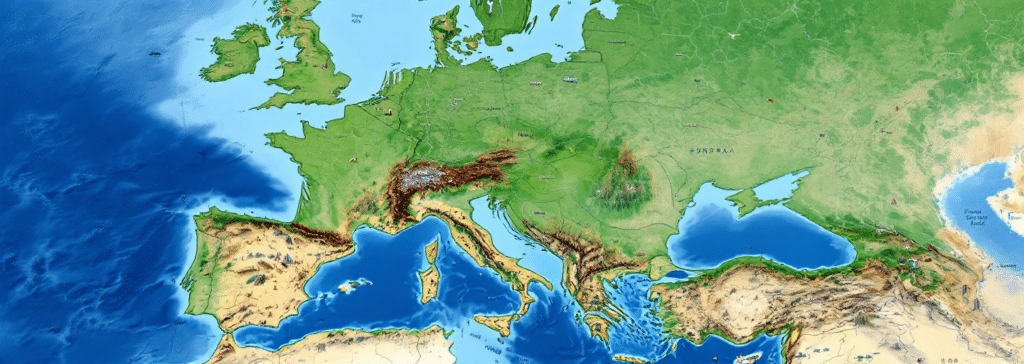
Forming a company in Europe is a strategic decision that can significantly impact the operation and growth of a business.
Each jurisdiction offers unique advantages, from taxation to maintenance requirements and simplicity in administrative procedures.
This article explores the most sought-after European jurisdictions for company formation, analyzing their benefits, requirements, and options for non-residents.
At Global Corp Formation, we provide comprehensive assistance in forming companies in these jurisdictions, as well as support in opening bank accounts, both online and with traditional banks.
While we do not open accounts directly, we guide our clients to ensure they meet all legal and administrative requirements.
Most Popular European Jurisdictions
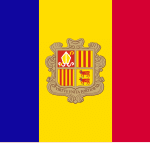
- Advantages:
- Low corporate tax rate of up to 10%.
- Strategy to attract foreign investors through a competitive tax policy.
- Political and economic stability.
- Political and economic stability.
- Simplicity and Maintenance:
- Simplified procedures and a digitalized system.
- Moderate accounting requirements.
- Requirements for Non-Residents:
- A local bank account is required.
- A registered office address in Andorra is mandatory.
- Share Capital and Bank Accounts:
- Minimum share capital requirement of €3,000 for a limited company.
- Bank account opening is possible with local banks but requires physical presence.
- Online account opening is uncommon.

- Advantages:
- Innovative tax system where undistributed profits are tax-free.
- Advanced digitalization with the e-Residency program.
- Ideal for tech companies and startups.
- Simplicity and Maintenance:
- The entire incorporation process can be done online.
- Low maintenance costs.
- Requirements for Non-Residents:
- Physical presence is not required to establish a company.
- Access to the e-Residency program to manage the company digitally.
- Share Capital and Bank Accounts:
- Minimum share capital of €2,500, which can be deferred in some cases.
- Online bank account opening available for e-Residents.
- Options include local banks and international fintechs like Wise or Revolut.
Ireland

- Advantages:
- Corporate tax rate of 12.5%, attractive for international businesses.
- Part of the EU, facilitating access to the European market.
- Recognized as a hub for tech companies.
- Simplicity and Maintenance:
- Quick incorporation procedures.
- Moderate maintenance with annual reporting requirements.
- Requirements for Non-Residents:
- A resident director in the European Economic Area (EEA) is required or a security bond must be obtained.
- Share Capital and Bank Accounts:
- No minimum share capital requirement for most companies.
- Opening accounts with traditional banks requires physical presence.
- Fintech options offer faster and more accessible solutions.
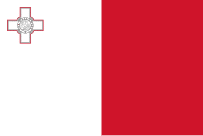
- Advantages:
- Favorable tax system with a refund mechanism that can reduce the effective rate to 5%.
- Excellent connectivity with Europe, Africa, and the Middle East.
- Simplicity and Maintenance:
- Clear and efficient incorporation process.
- Annual audit and maintenance requirements.
- Requirements for Non-Residents:
- A registered office address in Malta is necessary.
- A local representative may be required.
- Share Capital and Bank Accounts:
- Minimum share capital of €1,165, with at least 20% paid up.
- Opening a bank account can be complex for non-residents and requires extensive documentation.
- Limited options for online account opening.
Cyprus
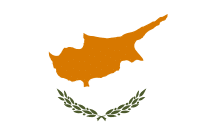
- Advantages:
- Corporate tax rate of 12.5% with exemptions for dividends and capital gains.
- Strategic location between Europe, Asia, and Africa.
- Simplicity and Maintenance:
- Accessible and fast procedures.
- Moderate financial reporting requirements.
- Requirements for Non-Residents:
- A local registered office and at least one resident director are required.
- Share Capital and Bank Accounts:
- No mandatory minimum share capital for private companies.
- Opening accounts with traditional banks may require in-person visits and prior approval.
- Online alternatives are available but with limited services.
Factors to Consider When Choosing a Jurisdiction
- Taxation: Tax burden is a key factor. Countries like Ireland, Estonia, and Malta are attractive due to their competitive tax policies.
- Administrative Simplicity: Jurisdictions like Estonia stand out for their digitalization, reducing time and administrative costs.
- Maintenance: Costs for audits, reports, and accounting requirements vary significantly between countries.
- Requirements for Non-Residents: Some countries allow company formation without physical presence, while others require local representatives or bank accounts.
- Market Access: Choosing a jurisdiction within the EU can simplify trade in the single European market.
- Share Capital and Bank Accounts: Check share capital requirements and options for opening bank accounts, whether online or in traditional institutions.
General Requirements for Non-Residents
- Registered Office: Mandatory in most jurisdictions, usually managed through a registered agent.
- Bank Accounts: Many jurisdictions require a local bank account to operate. Some allow online opening, but most require physical presence.
- Directors or Local Representatives: Some countries, like Malta and Ireland, require the appointment of local representatives.
- Documentation: Includes passports, proof of address, and in some cases, police clearance and business plans.
Conclusion
Each European jurisdiction offers a unique set of advantages and challenges.
The choice depends on factors such as business type, tax objectives, and administrative needs. Having an expert advisor is crucial to navigate these legal systems and select the best option for your company.
At Global Corp Formation, we ensure the process is clear, efficient, and compliant with all local and international regulations. Please note that this article is for informational purposes only and does not constitute legal advice. We recommend consulting a lawyer or tax expert to analyze your specific case.

